Open Today Sales: 9 AM-8 PM


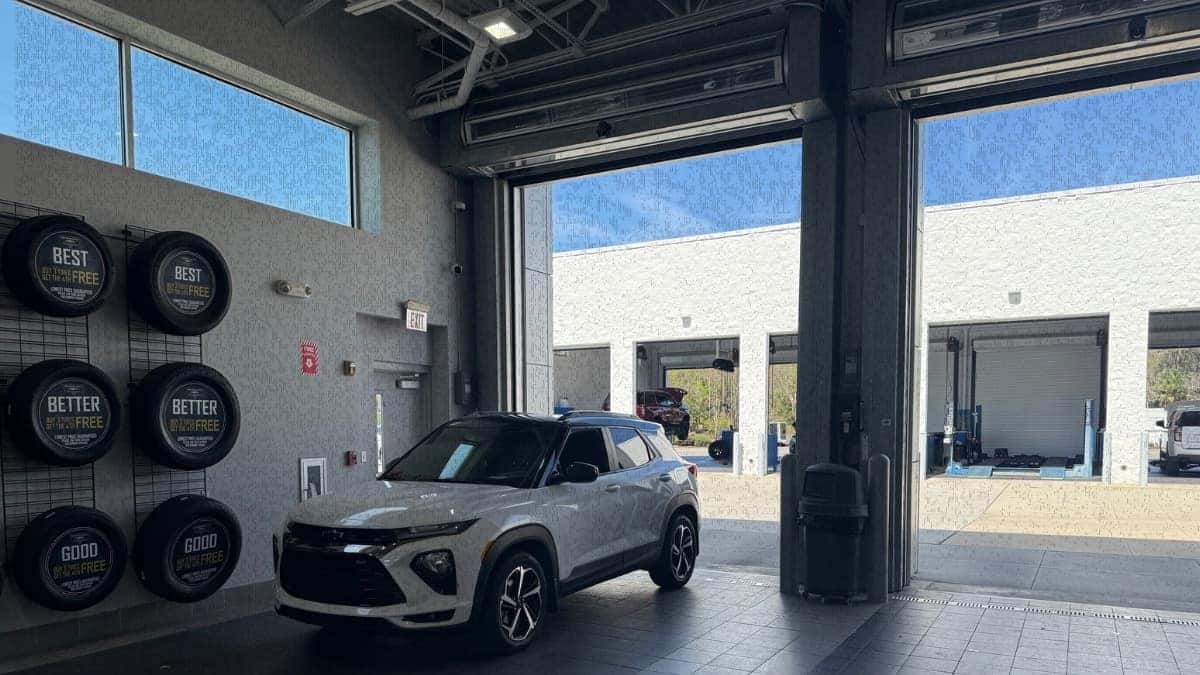
Regular inspections help vehicles perform reliably in Florida’s heat, humidity, and coastal driving conditions.
Most Chevy drivers in Florida should use the factory maintenance schedule as a baseline, often built around a 7,500-mile service rhythm for oil-life checks, tire rotations, and routine inspections.
Florida heat, humidity, coastal air, and traffic often qualify as severe driving conditions, which can justify earlier service and closer monitoring.
Most Chevy drivers in Florida should plan around a 7,500-mile service rhythm for oil-life checks, tire rotations, and routine inspections, with larger milestone services commonly appearing around 30,000, 60,000, and 90,000 miles. However, Florida driving conditions—heat, humidity, coastal air, frequent stop-and-go traffic, and heavy A/C use—often meet the definition of severe driving, which can justify earlier service and closer monitoring.
If your driving includes short trips that don’t fully warm the engine, extended idling, regular commuting traffic, towing, or constant summer heat, treat the published interval as the starting point, not the maximum. In coastal areas like New Smyrna Beach, salt air and humidity can also increase wear on batteries, brakes, filters, and cooling systems—making routine inspections especially important.
Before adjusting anything for Florida, it helps to understand what Chevrolet already recommends. Every vehicle leaves the factory with a defined maintenance schedule, and most modern models follow a recurring 7,500-mile service pattern. That interval usually includes oil life monitoring, tire rotation, and a broad inspection of key systems.
Chevrolet also separates “normal” from “severe” driving conditions in its official guidance. Severe conditions include frequent short trips, extended idling, stop-and-go traffic, towing, and exposure to extreme temperatures.
At roughly every 7,500 miles, most Chevys commonly call for:
Beyond that recurring visit, the maintenance schedule also includes time-based services. Brake fluid is often recommended to be replaced every three years. Cooling system service often appears around the five-year mark. Cabin air filters may be replaced every two years, and engine air filters every four. These intervals begin stacking up at the 30,000, 60,000, and 90,000-mile milestones.
That rhythm exists for a reason. Fluids break down over time. Rubber components age. Filters clog. Even if a vehicle feels fine, those internal systems slowly wear out.
AAA’s 2024 Your Driving Costs report estimates maintenance, repair, and tire costs at 10.13 cents per mile. At 15,000 miles per year, small skipped services compound into a measurable cost. Preventive visits help shape long-term ownership expenses.
Stop-and-go traffic in coastal towns and along I-95 counts as severe driving. Short beach runs, grocery trips, and school pickups that never fully warm the engine also qualify. Add heavy air-conditioning use nearly year-round, and many Florida drivers move from “normal” to “severe” without towing anything.
That means official vehicle maintenance intervals may shorten in practice. A 7,500-mile rhythm can still anchor your routine, but inspections often become more important than the mileage number itself.
Understanding how Florida driving conditions affect maintenance planning also becomes an important ownership consideration when deciding whether to lease or finance a vehicle.
In Florida, “normal driving” often becomes severe driving faster than owners realize. Heat, humidity, traffic, salt air, and constant A/C use put more stress on cooling systems, batteries, tires, and brake components than many other climates.
Heat in Florida is a mechanical force. When ambient temperatures rise, engine systems feel it. Engine oil degrades faster in sustained heat, especially in traffic where airflow drops and the engine compartment traps heat.
Cooling systems also face more stress. Radiators operate under higher pressure when outside air temperatures climb. Rubber hoses expand and contract more aggressively. Belts harden and crack faster under ultraviolet exposure.
Sitting in 95-degree traffic with the A/C blasting absolutely qualifies as severe driving. It might feel normal for New Smyrna Beach in July, but mechanically, it is demanding.
Florida adds moisture to the equation. High humidity means brake fluid absorbs moisture more readily. Brake fluid is hygroscopic, meaning it attracts water over time. That moisture lowers braking efficiency and can promote internal corrosion. Time-based brake fluid replacement becomes especially important in humid climates.
Coastal salt air adds another layer. Salt can accelerate corrosion on undercarriage components, brake hardware, and exposed fittings. Electrical connectors can also corrode after heavy rainfall or water intrusion, creating intermittent problems that may not appear immediately.
Storm exposure is not hypothetical. Flood-exposed or water-intruded vehicles can develop long-term corrosion and electrical issues that worsen over time.
Unlike northern states, Florida rarely gives your A/C system a break. Compressors cycle constantly. Cabin air filters trap moisture and debris in a humid environment. Refrigerant systems endure sustained use.
If you skip inspection because the system “still blows cold,” small issues may grow unnoticed. In Florida, cooling is a daily necessity, not an occasional convenience.
The climate shifts the emphasis of your Chevy maintenance schedule. Some services deserve closer attention here than they might elsewhere.
Heat speeds oil breakdown. While many Chevys operate comfortably on a 7,500-mile interval under lighter conditions, Florida’s climate often justifies closer monitoring. If your driving includes constant short trips, heavy traffic, or lots of idling, you may approach the lower end of the interval range.
Cooling system inspections matter more in Florida than almost anywhere else. Chevrolet’s baseline guidance often places coolant service around five years, but visual inspections and condition checks should happen much sooner.
Overheating does not escalate slowly here. In traffic on a 95-degree afternoon, a small coolant issue can become a breakdown quickly. Radiator hoses, coolant levels, and system pressure deserve attention before peak summer months.
Heat shortens battery life. Internal chemical reactions accelerate in high temperatures, which can degrade battery components faster than in colder climates. Annual battery testing makes sense in Florida, even if the battery seems fine.
Chevrolet’s recurring 7,500-mile tire rotation interval lines up well with Florida’s needs. In a state known for heavy rain and sudden downpours, adequate tread depth becomes a safety issue, not just a wear issue.
Hot pavement also increases tire wear. Frequent rotation helps maintain even tread depth and more predictable handling.
Humidity accelerates moisture absorption in brake fluid. That is why time-based brake fluid replacement, often around three years, deserves real attention in Florida. Moisture lowers the boiling point of brake fluid, and under stress that can affect braking performance.
Even a solid maintenance schedule cannot catch everything. In Florida heat, small warning signs can snowball fast because higher temperatures put extra strain on fluids, batteries, and cooling components.
Check engine lights, oil pressure warnings, temperature alerts, and battery indicators all deserve prompt attention. In high heat, a temperature warning does not leave much margin for delay.
If your Chevy idles unevenly, burns more fuel, hesitates when accelerating, or struggles to start on hot days, those changes may signal early wear. In Florida, small inefficiencies often become bigger problems faster than they would in milder climates.
Burning smells can indicate overheated components. A sweet odor may suggest coolant leakage. Visible fluid under the vehicle should never be ignored. If your A/C begins blowing warmer air during peak summer, inspection should not wait.
Electrical corrosion from prior moisture exposure can also present as intermittent behavior. Lights flicker. Sensors misread. Small symptoms deserve early attention in a humid climate.
Following the manufacturer’s schedule sets the floor. Florida raises the ceiling.
The direct answer to how often you should service a Chevy in Florida still starts with a 7,500-mile rhythm and milestone services at 30,000, 60,000, and 90,000 miles. But in places like New Smyrna Beach, heat, humidity, traffic, and storm exposure frequently move vehicles into severe-service territory sooner.
Predictable maintenance helps protect against unpredictable repair bills. A neglected cooling system, worn tires in heavy rain, or moisture-laden brake fluid can turn a normal day into a preventable problem.
Keeping maintenance records current and addressing small concerns early often reduces long-term ownership costs and helps vehicles perform more reliably in Florida’s demanding climate.
| Service Area | Typical Chevy Baseline | Florida Consideration |
|---|---|---|
| Oil Service | Around a 7,500-mile rhythm | Monitor sooner with heat, traffic, and short-trip driving |
| Tire Rotation | Usually every 7,500 miles | Important due to hot pavement and heavy rain conditions |
| Brake Fluid | Often around every 3 years | Humidity can accelerate moisture absorption |
| Cooling System | Commonly around 5 years | Heat makes inspections more important before summer |
| Battery | Varies by age and condition | Annual testing is smart in Florida heat |
| A/C System | Inspect during routine visits | Constant year-round use makes early checks valuable |
Understanding how maintenance fits into total vehicle ownership helps drivers make better long-term decisions. You may also find these guides helpful:
Stay on top of Florida maintenance needs with the tools below.
Most drivers should use the factory schedule as a starting point, often around a 7,500-mile rhythm, but Florida conditions can justify earlier service and more frequent inspections.
Yes. High temperatures, traffic, and short trips can speed oil breakdown and increase stress on engine components.
Heat shortens battery life, so annual testing is a smart preventive step for Florida drivers.
Yes. Florida humidity can increase moisture absorption in brake fluid, which can reduce performance over time.
Frequent short trips, stop-and-go traffic, long idling, heavy A/C use, coastal conditions, towing, and constant heat can all qualify as severe service conditions.
This guide was created by the team at New Smyrna Beach Chevrolet to help Florida drivers understand how local climate and real-world driving conditions affect Chevrolet maintenance planning and long-term ownership.