Open Today Sales: 9 AM-8 PM


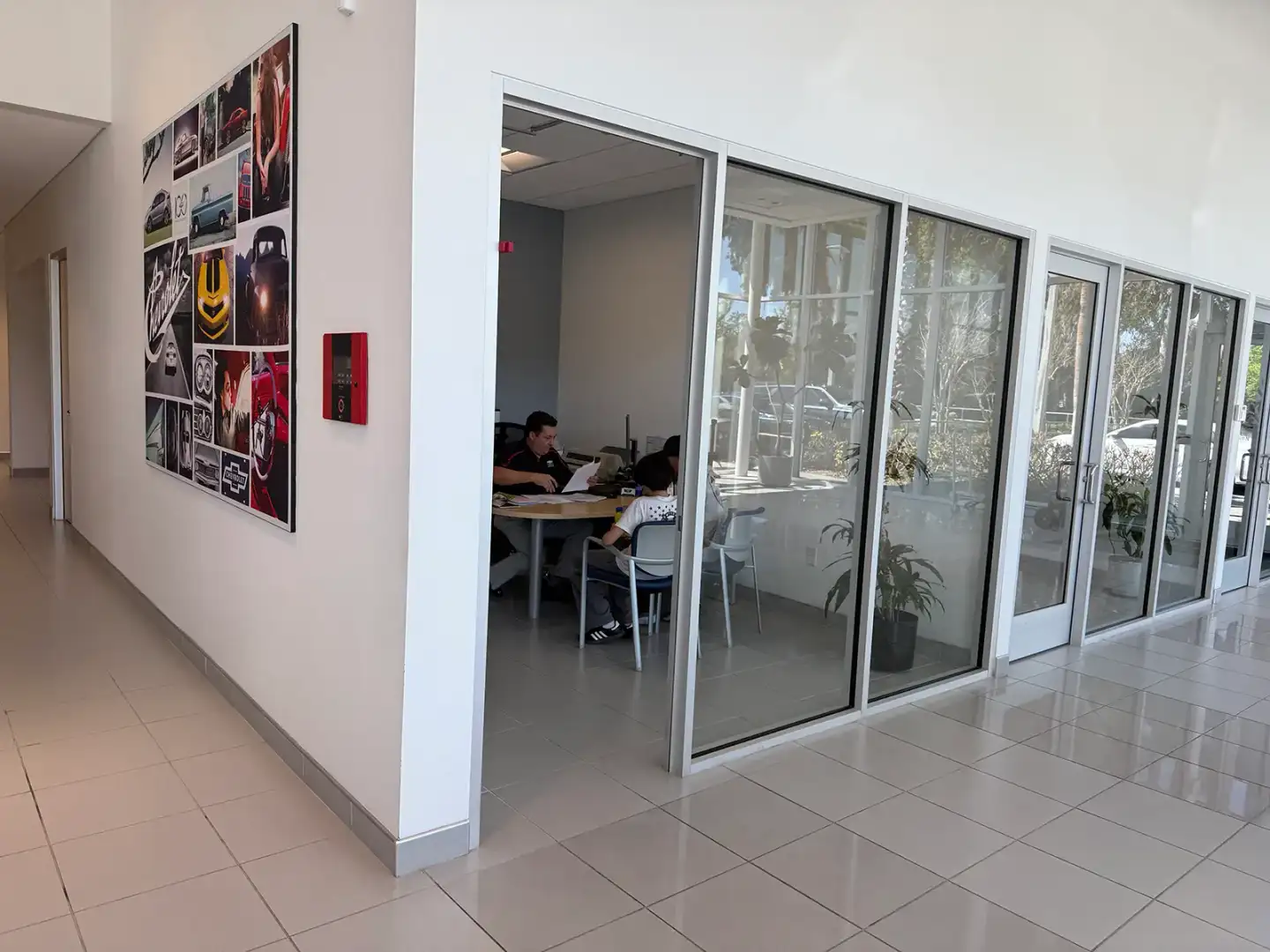
Our finance team helps drivers understand loan and lease options before making a vehicle decision.
Choosing whether to lease or finance a car in Florida depends on your monthly budget, how much you drive, how long you plan to keep the vehicle, and whether long-term ownership matters to you.
Florida driving habits, climate, mileage, and long-term ownership costs can all affect which option makes more sense.
Choosing how to pay for a vehicle is one of the most important financial decisions car shoppers make. Whether you’re commuting through New Smyrna Beach or planning regular road trips across Florida, understanding the differences between leasing and financing helps you make the right choice for your lifestyle and budget.
Leasing a vehicle is similar to renting it for a set period, typically two to three years. You make monthly payments based on the vehicle’s expected depreciation during that time, plus interest and fees.
At the end of the lease term, you usually have three options: return the vehicle to the manufacturer, purchase it for a predetermined price called the residual value, or trade it in toward another vehicle.
The residual value is set at the beginning of the lease and remains fixed throughout the lease term. This is commonly called a closed-end lease.
Financing means taking out a loan to purchase the vehicle. You make monthly payments toward the loan principal plus interest. Once the loan is paid off completely, you own the car outright and can keep it as long as you want, modify it, or sell it whenever you choose.
Lease payments are typically lower than finance payments for the same vehicle because you’re only paying for the portion of the vehicle’s value you use during the lease term, not the entire purchase price.
Leasing allows you to drive a new vehicle every few years. You could lease a new Chevrolet Equinox, then upgrade to the latest model with updated technology and safety features when your lease ends.
Since lease terms typically fall within the manufacturer’s warranty period, many repairs may be covered during the lease term, helping reduce unexpected ownership expenses and making costs more predictable.
Driving a newer vehicle under warranty means fewer unexpected repair bills. This can be especially valuable in Florida, where intense heat can put extra stress on air conditioning systems and batteries.
At the end of your lease, you have real choices. Return the vehicle and walk away, purchase it if you’ve grown attached to it, or trade it in toward your next vehicle.
Here’s something many shoppers do not realize: mileage restrictions and vehicle condition assessments generally apply only if you return the vehicle to the manufacturer at lease end.
If you choose to buy out the lease or trade the vehicle in at a dealership, excess mileage penalties and wear-and-tear charges typically do not apply the same way. If the vehicle does not go back to the lender, those end-of-lease assessments may not trigger the same fees.
Every payment brings you closer to owning the vehicle outright. Once your loan is paid off, you have years of payment-free driving ahead, which is where long-term savings can happen.
If you have a long commute or enjoy road trips across Florida, financing eliminates mileage concerns entirely. Drive as much as you want without worrying about overage fees.
While monthly payments may be higher initially, financing is typically more cost-effective over the long term. A well-maintained Chevrolet Silverado can provide reliable transportation for many years after the loan is paid off.
When you own your vehicle, you can modify it however you like—add aftermarket accessories, upgrade systems, or make changes that suit your needs.
You do not need to worry about wear-and-tear evaluations. If you have pets, children, or an active lifestyle, ownership eliminates those concerns.
Florida heat, humidity, longer travel distances, and seasonal driving patterns can all affect whether leasing or financing makes more sense. Warranty coverage, mileage habits, and long-term maintenance expectations matter more in Florida than many shoppers realize.
Florida’s geography often means residents drive more than the national average. Commuting from New Smyrna Beach to nearby cities, beach trips, or traveling between Florida’s coasts can increase annual mileage significantly.
Most leases include yearly mileage allowances. If you consistently stay below typical limits, leasing can be a good option. If you drive a lot for work or leisure, financing may be the better choice.
Florida’s intense heat and humidity can affect vehicle components over time, particularly air conditioning systems, batteries, and exterior finishes. Leasing keeps you in a newer vehicle with full warranty coverage, which can provide peace of mind when climate-related issues arise.
If you finance and plan to keep the vehicle long term, extended warranty coverage may help protect you beyond the manufacturer’s warranty period, especially for systems that work harder in Florida’s climate.
Many Florida residents enjoy exploring the state and beyond. Whether visiting family in other states or taking extended vacations, these trips contribute to annual mileage. Understanding your typical driving patterns helps determine which payment option fits your lifestyle.
Some circumstances can favor leasing even for buyers who might usually finance. During periods of strong manufacturer incentives, leasing can provide immediate monthly-payment advantages.
Lease programs and financing terms may also vary throughout the year, which can influence overall ownership costs. If you plan to eventually own the vehicle, leasing at a favorable rate and then buying it out later can sometimes be a smart strategy.
In Florida, sales tax treatment differs between leases and purchases, which can affect your total cost. That is worth discussing when comparing real payment scenarios.
After evaluating driving habits, budget, and long-term ownership plans, many buyers compare real payment scenarios to better understand how leasing and financing affect total ownership cost.
Reviewing factors such as estimated monthly payments, mileage expectations, insurance costs, and long-term ownership expenses helps clarify which option aligns best with individual financial goals.
Because lease structures, interest rates, and tax treatment can vary, comparing multiple scenarios often provides the clearest picture before making a final decision.
| Factor | Leasing | Financing |
|---|---|---|
| Monthly Payment | Usually lower | Usually higher at first |
| Ownership | No ownership unless you buy it later | You own the vehicle after payoff |
| Mileage Limits | Yes, usually limited annually | No mileage restrictions |
| Warranty Coverage | Often covered during lease term | Depends on warranty length and ownership term |
| Long-Term Savings | Usually less favorable long term | Usually stronger after payoff |
| Vehicle Flexibility | Easier to upgrade often | More freedom to keep or customize |
The lease-versus-finance decision depends on your lifestyle, driving habits, and financial goals.
Leasing offers lower monthly payments, access to newer vehicles with the latest features, and full warranty coverage. It works well for drivers who stay within mileage allowances and prefer regular upgrades.
Financing makes more sense for buyers who want long-term ownership, no mileage limits, and the chance to eliminate monthly payments over time.
Compare your options, estimate your payment, and explore inventory before making your decision.
Lease payments are typically lower because drivers pay only for depreciation during the lease term rather than the full vehicle price.
Yes. Most leases include a predetermined purchase price called the residual value.
Drivers with longer commutes or frequent travel may benefit from financing because leases usually include mileage limits.
Financing usually provides greater long-term savings once the vehicle is paid off, especially if you keep the vehicle for many years.
This guide was created by the team at New Smyrna Beach Chevrolet to help Florida drivers make informed vehicle financing decisions based on real ownership experience and local driving conditions.