Open Today Sales: 9 AM-8 PM


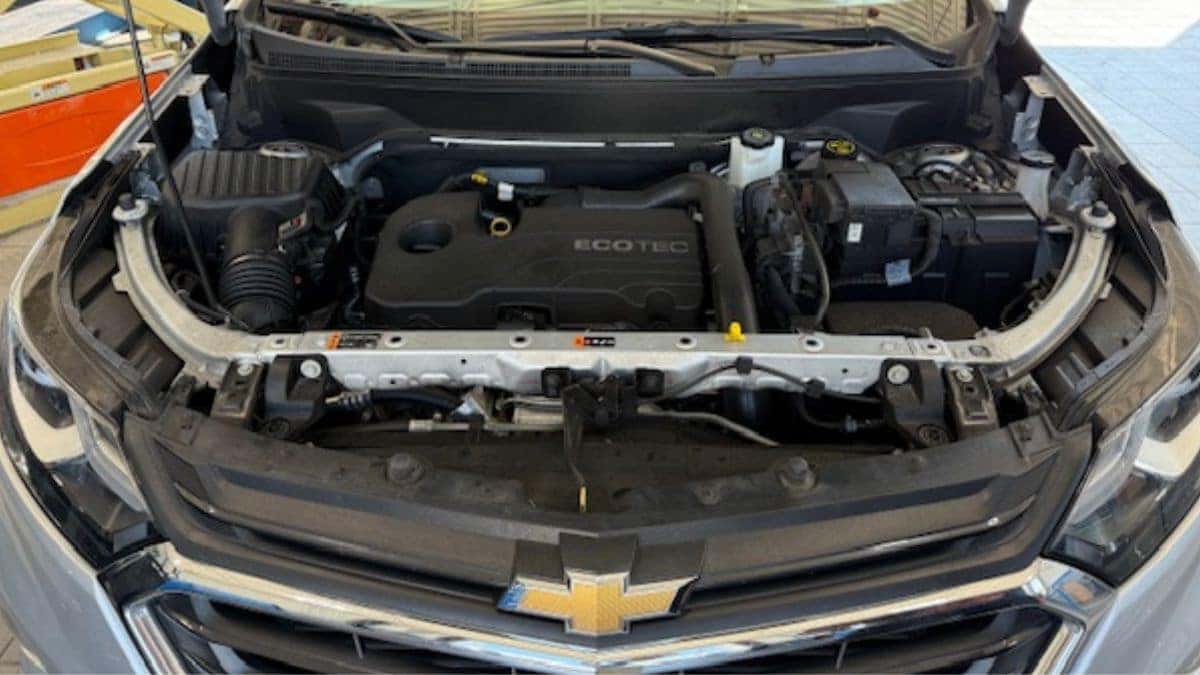
Diagnostic inspection helps identify the cause of a check engine light before small issues become major repairs.
A steady check engine light usually means it is safe to drive short distances while scheduling service soon.
A flashing check engine light means you should pull over safely and stop driving immediately to prevent engine damage or safety risks.
At some point, most drivers encounter a dashboard alert while behind the wheel. It’s natural to worry and ask yourself, “Is it safe to drive with a check engine light?” The truth is that some warnings are minor while others require immediate attention. Understanding the difference helps you make safer decisions.
This guide explains common check engine light meanings, what causes warnings, and how Florida’s heat and humidity can influence vehicle sensors and engine performance.
Dashboard warning lights date back to the 1930s and originally monitored oil pressure and battery voltage. Beginning in 1996, all vehicles sold in the United States adopted standardized onboard diagnostics systems known as OBD-II.
Modern vehicles constantly monitor engine performance, emissions systems, fuel delivery, ignition timing, and transmission operation. When readings fall outside normal parameters, the system stores a diagnostic trouble code and activates the check engine light.
For simplicity, think of check engine warnings as either important or urgent.
A flashing warning light or rising temperature gauge signals a situation that could cause engine damage or create a safety risk.
| Problem | What It Means | Common Codes |
|---|---|---|
| Loose Gas Cap | Fuel vapors escape and trigger emissions warnings | P0457, P0455, P0456 |
| Spark Plug or Ignition Issue | Engine misfire affecting performance | P0300–P0312 |
| Oxygen Sensor | Incorrect fuel-air mixture reduces efficiency | P0130–P0141 |
| Catalytic Converter | Reduced emissions control and performance | P0420, P0430 |
| Mass Air Flow Sensor | Incorrect airflow measurement | P0101–P0104 |
| Transmission Issue | Driveability or shifting concern | P0700 |
| Engine Overheating | Risk of severe engine damage | P0217, P1299 |
The fastest way to understand why your check engine light is on is by scanning diagnostic codes using an OBD-II reader connected beneath the steering wheel.
Never ignore a check engine light. However, driving may still be possible depending on how the vehicle behaves.
Even in these situations, service should be scheduled within a few days.
If any of these occur, pull over safely and arrange towing.
If the warning light remains on for multiple trips or fuel economy drops noticeably, schedule service promptly. Small issues such as oxygen sensor failure can eventually damage expensive components like the catalytic converter.
If you’re unsure whether your vehicle is overdue for inspection, reviewing
your recommended Chevy service schedule in Florida
can help determine urgency.
Florida’s climate places additional stress on modern vehicles.
Sitting in traffic along I-95 or State Road 44 increases engine temperatures and emissions system workload.
Moisture exposure can affect sensors monitoring airflow, fuel delivery, and emissions performance.
Salt exposure accelerates corrosion on wiring connectors and electronic components, occasionally triggering warning lights.
A check engine light does not always indicate a major repair, but it always deserves attention.
Addressing warning lights early protects engine performance, safety, and long-term ownership costs.
If your check engine light is on and you’re unsure whether it’s safe to drive, a professional diagnostic inspection can quickly identify the issue and help prevent larger repairs.